Where Boten is
Boten sits at the northern end of the Laos–China Railway's Lao section, in Luang Namtha province, hard against the Chinese border. The town itself is a special economic zone built for cross-border trade — signage is largely Chinese, prices are quoted in yuan, and it feels more like a Chinese border town than a Lao one.
Boten railway station is about 4 km from the road border checkpoint. Shared taxis cover the distance for around 60,000 LAK or 20 RMB per person; they wait outside the station around train arrivals.
If you stay on the through-train
The daily international train handles the border without you leaving the railway system. It stops twice — at Boten for Lao exit stamps and at Mohan for Chinese entry — and at each stop everyone leaves the train with all their luggage, clears the formalities inside the station, and reboards the same train. Budget 1.5 to 2 hours across the two stops.
The full picture of the international service is in the Vientiane–Kunming train guide.
If you cross on foot
Travellers splitting the journey — a Lao train to Boten, a Chinese train onward from Mohan — cross at the road checkpoint. The sequence is fixed:
Lao exit at Boten. Passport control in the departure hall. Queues move in waves with train arrivals; over 30 minutes is normal.
Between the checkpoints. A few hundred metres of no-man's-land separates the two halls. Electric carts shuttle across for about 5 RMB, or you walk it.
Chinese entry at Mohan. The strict side of the crossing: fingerprints, a thorough bag scan, and sometimes inspection of phones and devices. Allow up to 2 hours at busy times.
The road checkpoint keeps daytime hours — roughly 07:00 to 19:00 — so plan a same-day crossing around the early and mid-afternoon trains, not the last arrival of the evening.

Visas and documents
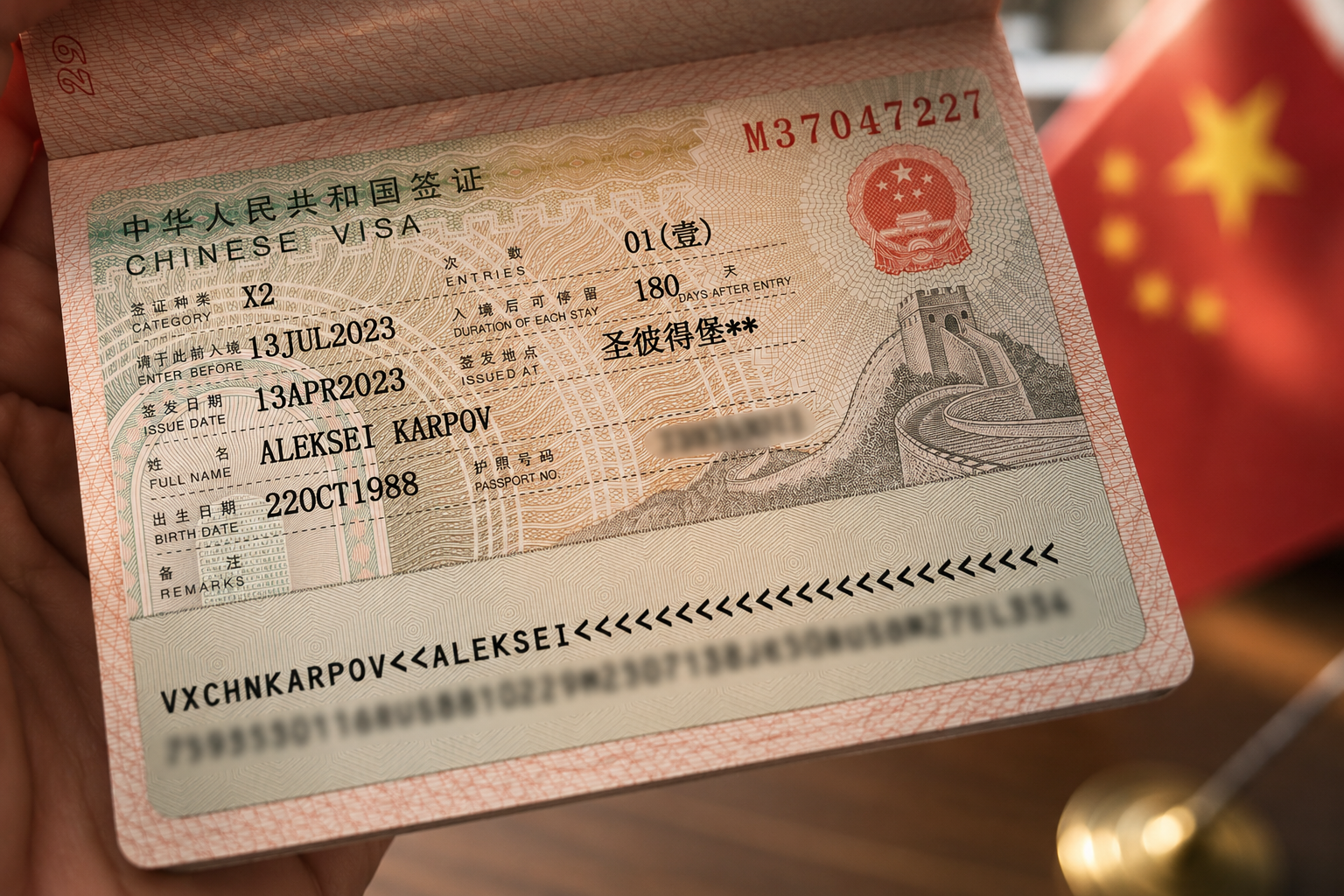
Entering Laos at Boten, most nationalities can get a visa on arrival — bring US dollars in clean, newer notes and a passport photo. Entering China, there is no visa on arrival: you need a visa arranged in advance or eligibility for China's visa-free entry. Check your nationality's current status well before travel.
Carry-on rules for the trains on either side are on Before You Board.
Money and time
Yuan is the working currency in Boten — kip is accepted, but at rates that vary shop to shop. Change or withdraw before you arrive if you can. China runs one hour ahead of Laos; Mohan departure boards are in Chinese local time.
Onward from Mohan
Mohan railway station is a short drive from the checkpoint; taxis and shared cars wait on the Chinese side. Several Chinese domestic trains run north each day toward Kunming via Jinghong and Pu'er, booked through China Railway's official 12306 channels. Naga Rail books the Lao side of the journey — Vientiane, Vang Vieng, or Luang Prabang to Boten — with a guaranteed seat.