The classes, in short
The high-speed trains (the C services, and the D international services) carry the two classes most travellers choose between — Second class and First class — and some C services add a premium Business tier. The ordinary trains (K11 and K12) are different: they carry Hard Seat and Soft Sleeper instead. Every class is air-conditioned, with a power socket at the seat.
There is no overnight train on this line — every service runs in the daytime.
Which classes run on which train
Seat classes depend on the train, not the route. Here is what each type sells:
- ◆C trains (high-speed): Second Class, First Class, and Business on selected services.
- ◆D trains (international): Second Class, First Class.
- ◆K trains (ordinary): Hard Seat, Soft Sleeper.
Hard Seat
The budget class, found on the ordinary trains (K11 and K12). Upright, fixed-back seats in a 2+3 layout — the cheapest way to ride the line. It's a slower journey than the high-speed trains, so it suits travellers who care more about price than speed.
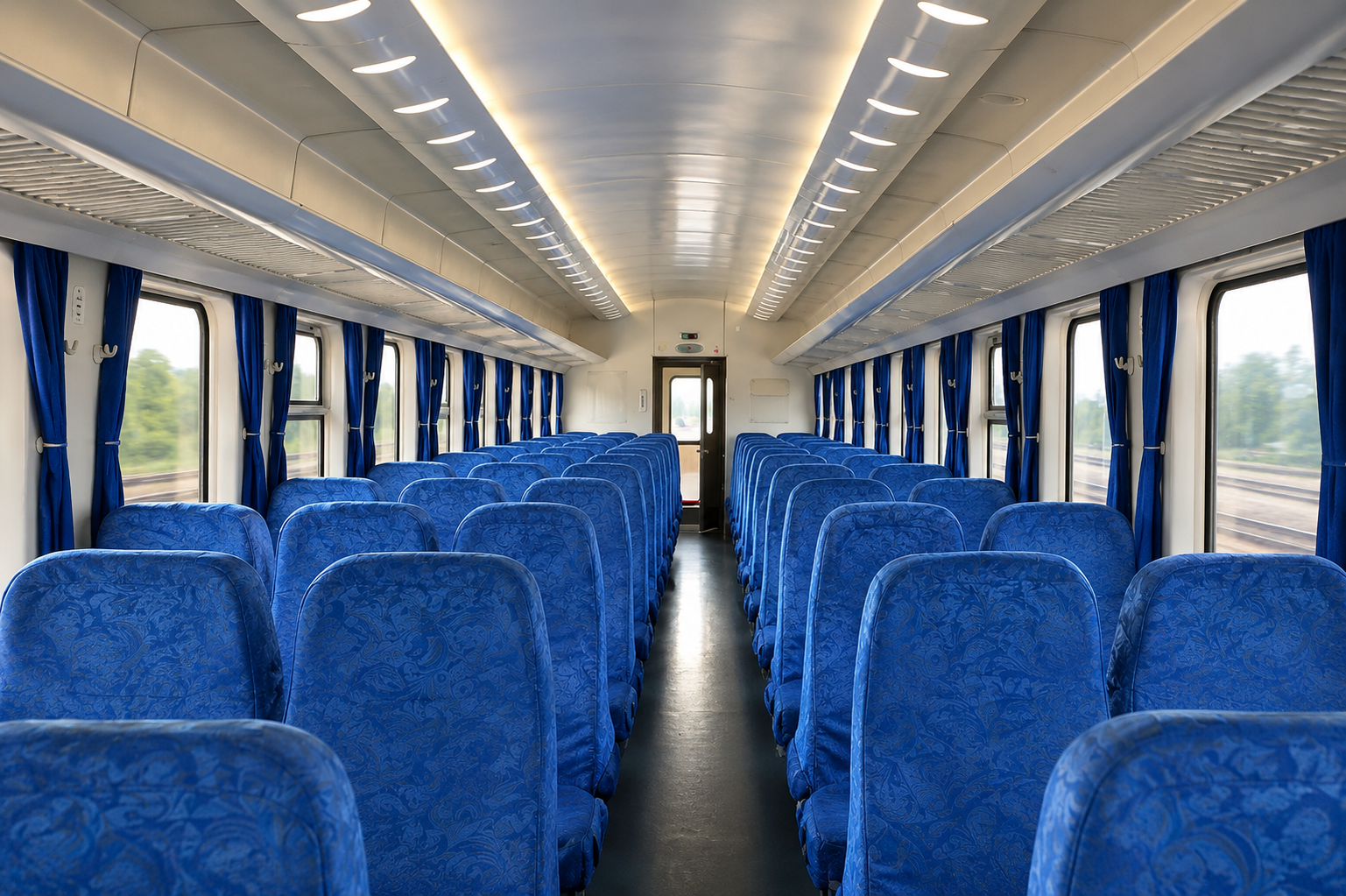
Second class
The standard option, and the best value for most journeys. A 2+3 seating layout with a charging port and reasonable legroom. Comfortable and air-conditioned — for a two-hour run between cities it's all most people need.
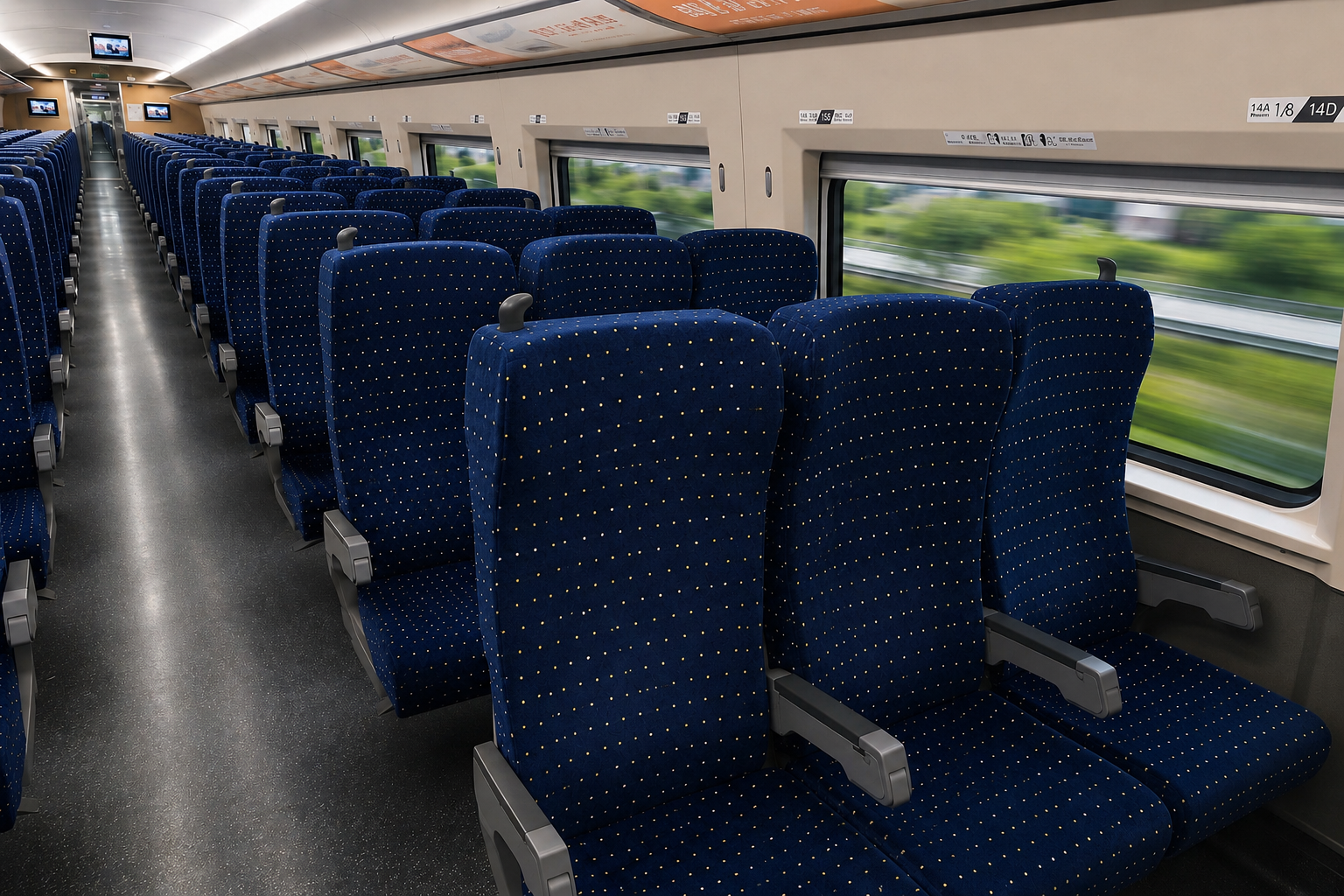
First class
A step up in space and quiet. A 2+2 layout with wider, well-padded seats, adjustable headrests and footrests, and more legroom. Usually quieter and less crowded than Second class.
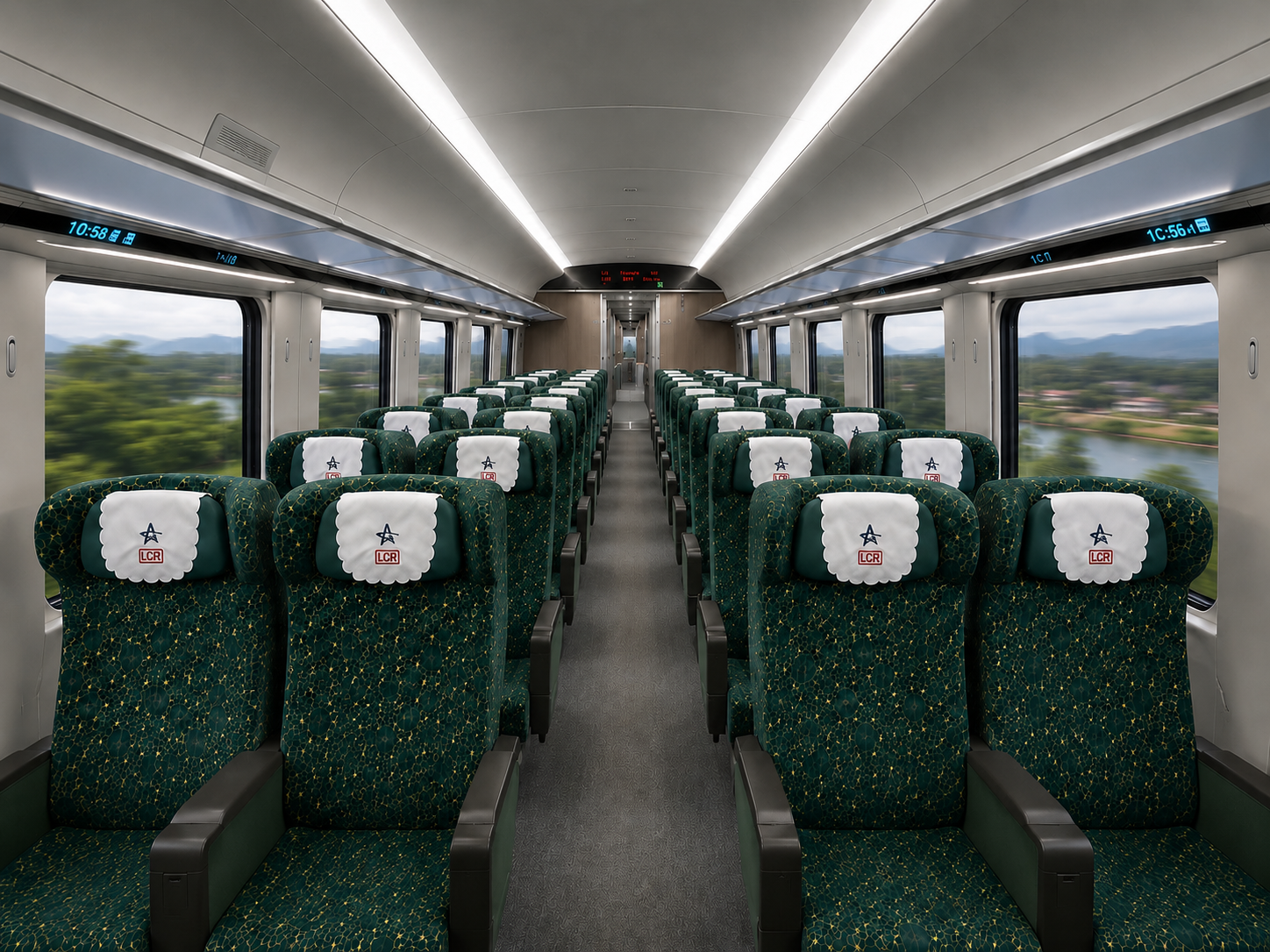
Business class (some services)
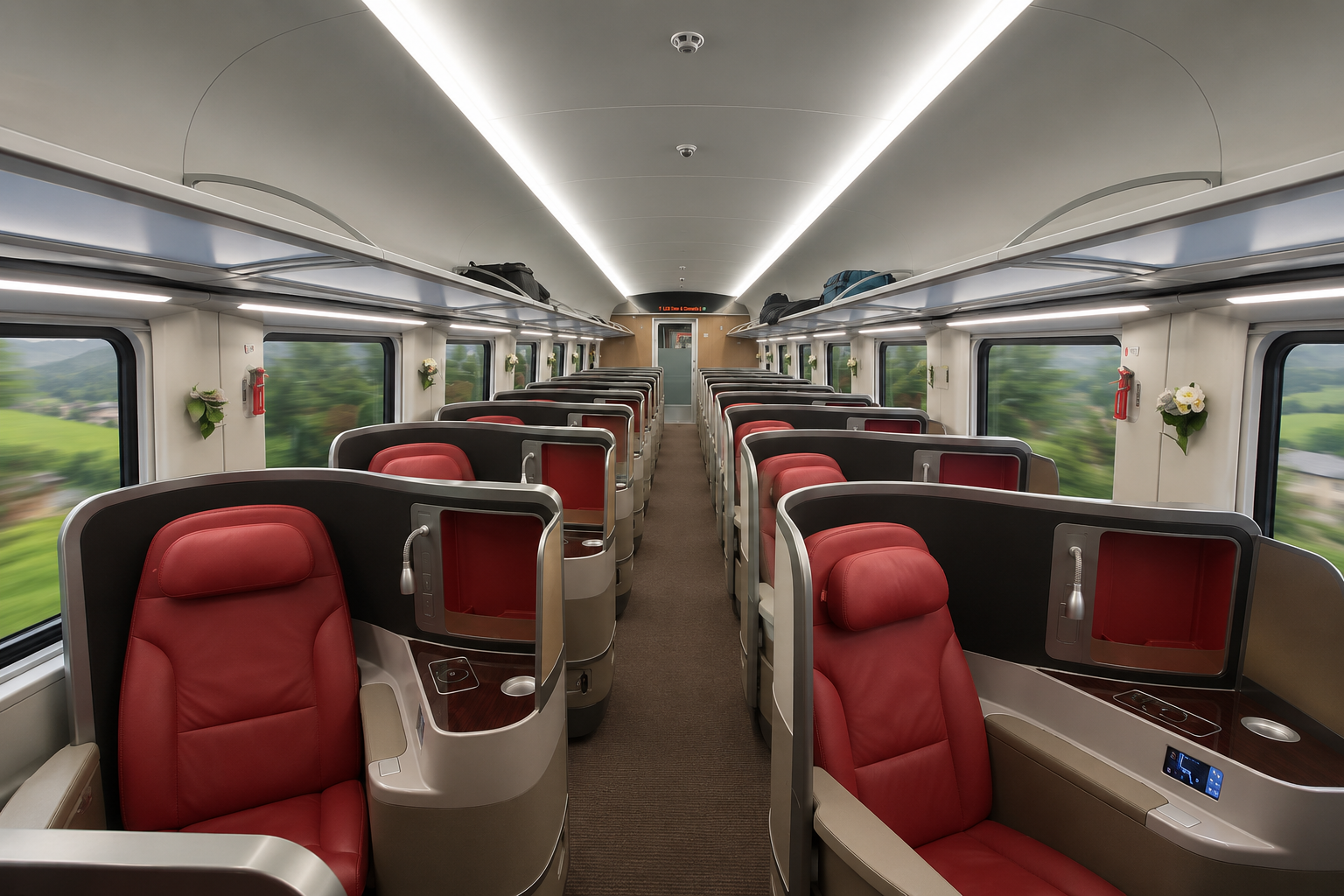
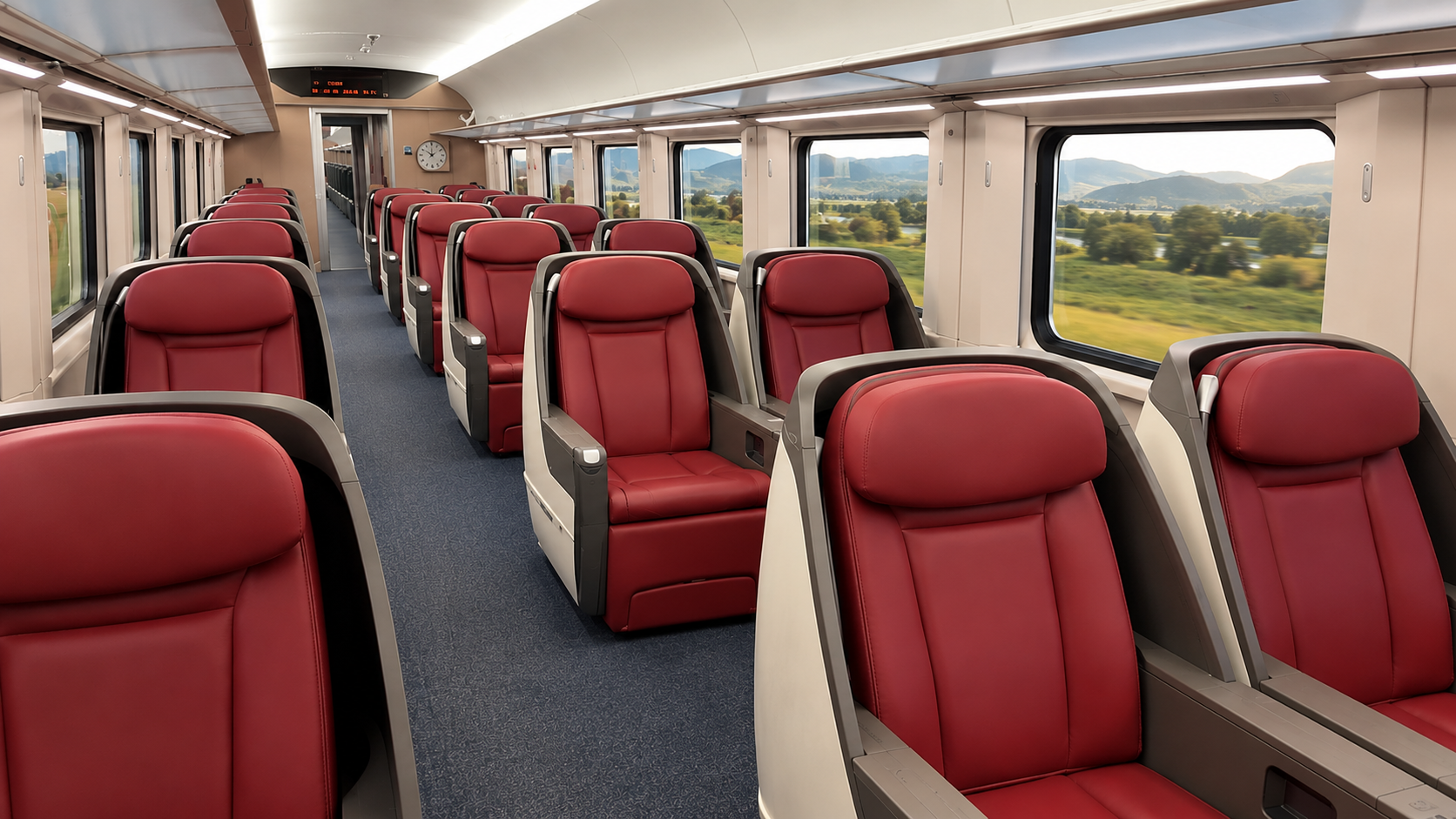
On certain trains there's a premium Business tier: a 1+1 or 2+2 layout of fully reclining, extra-wide seats, often near the front of the train, sometimes with lounge access and complimentary drinks. It isn't offered on every route — when it's available for your train, you'll see it as an option.
The seating style varies by train. Some Business cars have enclosed, pod-style seats with high privacy dividers and a personal reading light and screen; others are open rows of wide leather recliners. Both are the same Business tier — the exact layout depends on which trainset runs your service.
Soft Sleeper
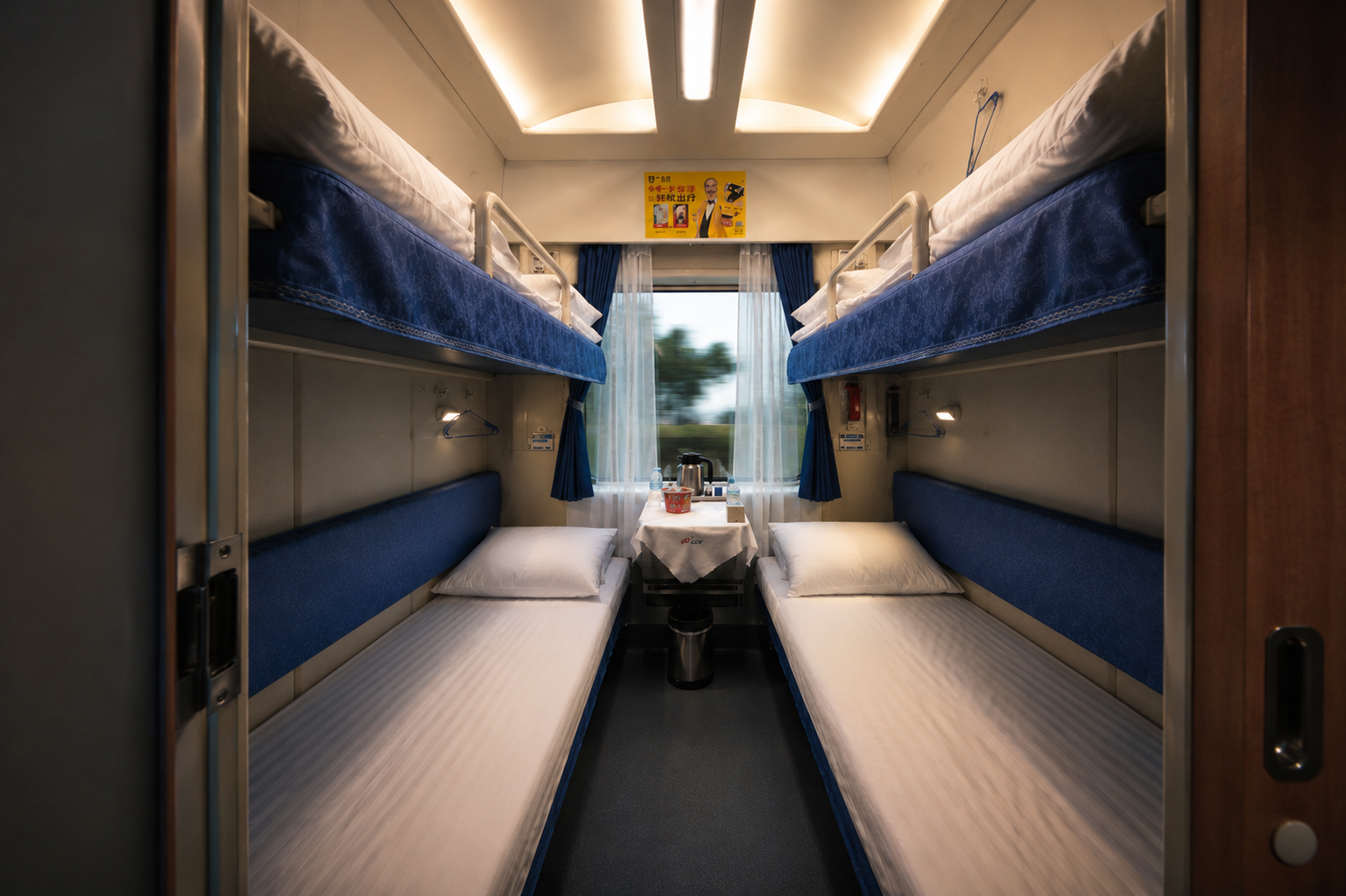
Soft Sleeper is available on the ordinary trains (K11 and K12) only. You get a seat in a private compartment shared by four people, with a table and more space than any other class. These are daytime services — the compartment gives you quiet and privacy, not an overnight bed. It is the calmest way to ride the line, and the slowest.
How seats are assigned
This is the part worth understanding before you book. Seats on the Laos–China Railway are assigned randomly by the railway's own ticketing system — neither you nor we choose the specific seat. That's a rule of the LCR system, not a limitation of how you book.
It also means that for a group, the railway may not place everyone together. We always do our best to seat your party side by side, but we can't guarantee adjacent seats — and we'll never hold up your booking chasing them when securing the seats themselves is what matters. What we do guarantee is a seat for everyone in your group, or your money back.
- ◆Window seats are lettered A and F; aisle seats are C and D.
- ◆Rows 1-7 usually face forward; rows 8-14 may face backward.
- ◆Some carriages have table seating, where two rows face each other.
At every seat
Whatever class you travel, you get a power outlet or charging socket, a fully air-conditioned cabin, and clean, modern interiors. Download maps and anything you want to watch before you board — mobile data can be patchy through the mountains, and there's no onboard wifi.